


About The Speaker

Robert Seder
Dr. Robert A. Seder is currently Acting Associate Director and Chief of the Cellular Immunology Section at The Vaccine Research Center, NIAID, NIH.
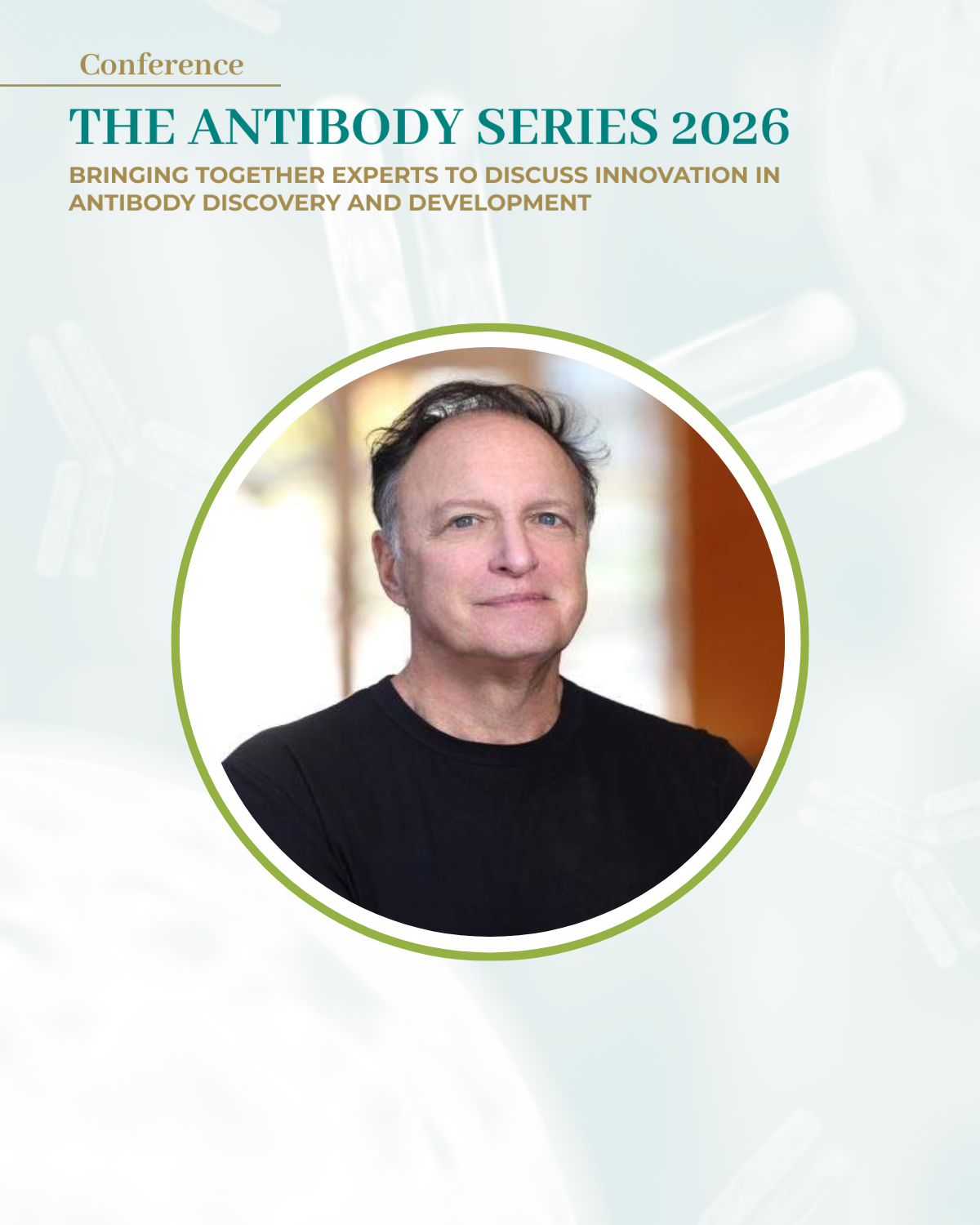
Robert Seder
Dr. Robert A. Seder is currently Acting Associate Director and Chief of the Cellular Immunology Section at The Vaccine Research Center, NIAID, NIH. Dr. Seder’s laboratory has focused on the cellular and molecular mechanisms by which vaccines and adjuvants mediate protective immunity in pre-clinical models of malaria, tuberculosis and cancer.
Lessons from natural antibody repertoires
Dr. Seder’s laboratory has made important contributions T cell quality and was first to show that multi-functional T cells were correlated with vaccine mediated protection in various infectious disease models. Dr. Seder has also made important contributions in showing how the route of vaccination and specifically intravenous delivery is critical for generating tissue resident T cells required for protection against malaria and tuberculosis in pre-clinical animal models. Dr. Seder translated this work and led the first in human clinical studies using intravenous vaccination to generate protective immunity with an attenuated malaria vaccine that was highly protective. Focusing on vaccine design and delivery, Dr. Seder has also developed a personalized nanoparticle neoantigen vaccine that has been licensed for clinical use, and he conceptualized a new paradigm for tumor immunotherapy termed “Vax-Innate “to harness the ability of the vaccines to enhance T cell immunity and alter the tumor microenvironment to facilitate tumor clearance.
During the COVID pandemic, Dr. Seder was a member of Operation Warp Speed and working with his colleagues at The Vaccine Research Center had an important role in the development of the Moderna mRNA vaccine as well as other formulations.
Dr. Seder has led discovery and global development of a monoclonal antibody to prevent malaria in Africa.