


About The Speaker

Peter Tessier
Albert M. Mattocks (Endowed) Professor in the Departments of Chemical Engineering, Pharmaceutical Sciences, and Biomedical Engineering
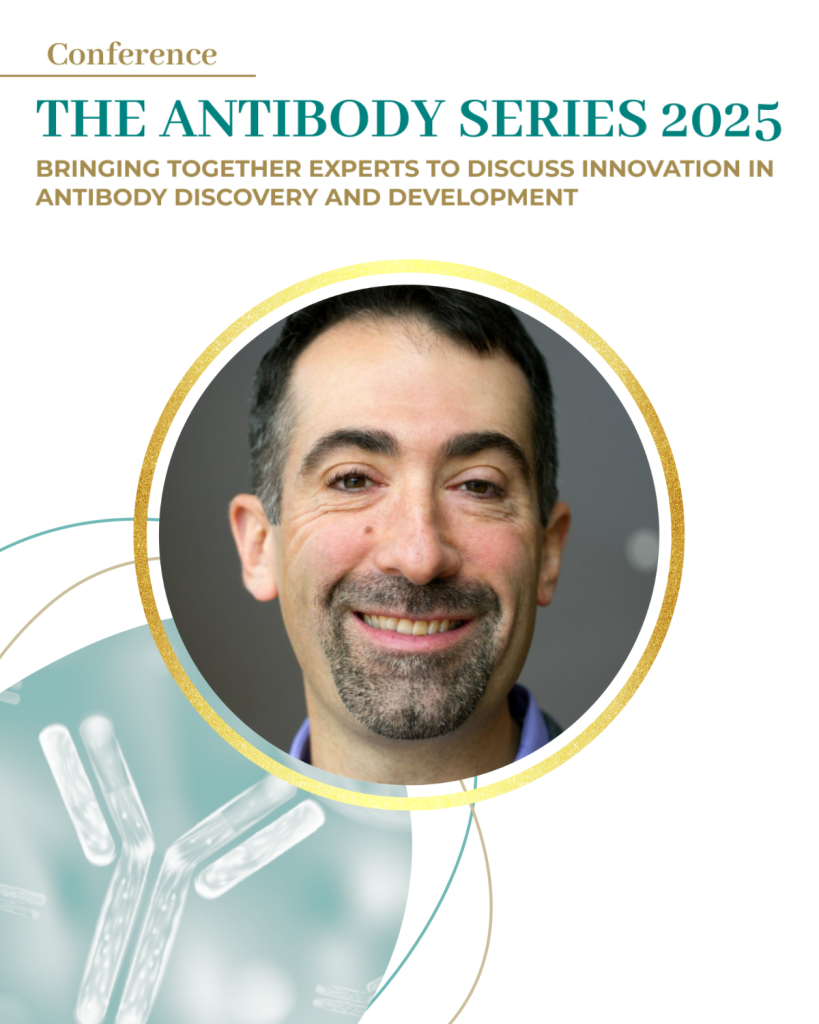
Peter Tessier
Peter Tessier is the Albert M. Mattocks (Endowed) Professor in the Departments of Chemical Engineering, Pharmaceutical Sciences, and Biomedical Engineering, and a member of the Biointerfaces Institute and Chemical Biology Program at the University of Michigan in Ann Arbor, MI. He received his Ph.D. in Chemical Engineering from the University of Delaware (2003, NASA Graduate Fellow) and performed his postdoctoral studies at the Whitehead Institute for Biomedical Research at MIT (2003-2007, American Cancer Society Fellow). Tessier started his independent career as an assistant professor in the Department of Chemical & Biological Engineering at Rensselaer Polytechnic Institute in 2007, and he was an endowed full professor at Rensselaer prior to moving to the University of Michigan in 2017. His research focuses on therapeutic antibody engineering and brain drug delivery using novel experimental and computational methods with the long-term goal of improving the treatment of human disorders ranging from cancer to neurodegenerative diseases. He has received several awards and fellowships in recognition of his pioneering work: Pew Scholar Award in Biomedical Sciences (2010-2014), Humboldt Fellowship for Experienced Researchers (2014-2015), Young Scientist Award from the World Economic Forum (2014), Young Investigator Award from the American Chemical Society (2015) and a CAREER Award from the National Science Foundation (2010-2015).
Antibody optimization using machine learning and atomistic design
The development, delivery, and efficacy of therapeutic antibodies – ranging from antibody fragments to full-length and multi-specific antibodies – are strongly influenced by several key molecular and biophysical properties governed by their variable regions. Antibodies generated either by in vitro display technologies or immunization methods commonly display one or more suboptimal properties, such as relatively low stability, humanness, and/or recombinant expression levels, or relatively high aggregation, self-association, and/or non-specific binding, and attempts to fix these problems by mutating their variable regions commonly compromises affinity and/or introduces other liabilities. Here, we report machine learning and – in some cases – atomistic design methods for multi-objective optimization of three different mono- and multi-specific antibody formats. In each case, we demonstrate that computational methods can be used to address primary liabilities such as high levels of self-association, non-specific binding, and aggregation while typically either maintaining or improving other key antibody properties. We expect that these approaches will accelerate the rational generation of drug-like antibodies for conventional and novel antibody formats.