


About The Speaker

Greg Thurber
Associate Professor of Chemical Engineering and Biomedical Engineering at the University of Michigan
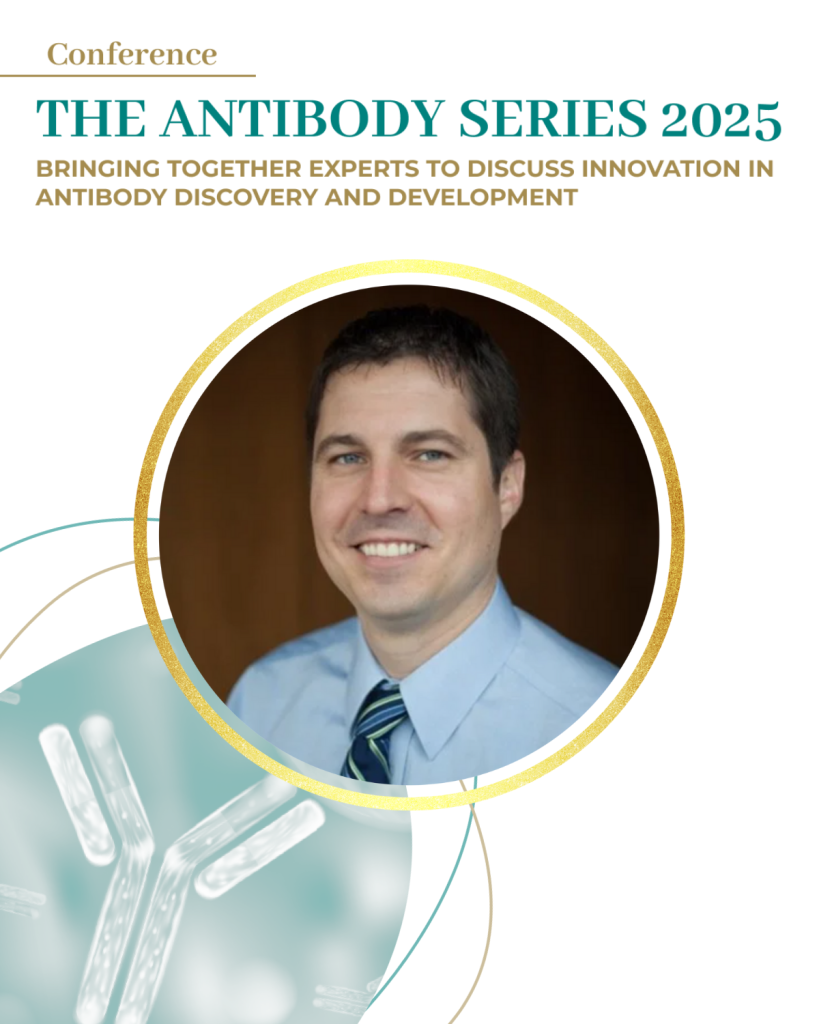
Greg Thurber
Greg Thurber is Associate Professor of Chemical Engineering and Biomedical Engineering at the University of Michigan where his work focuses on applying fundamental biotransport principles to design novel therapeutics and molecular imaging agents. He received his PhD training at MIT and postdoctoral training at Mass General Hospital and Harvard Medical School. Prof. Thurber has authored over 75 papers and book chapters and delivered 120 invited talks at major pharmaceutical companies, national and international conferences, and university seminars. He has consulted/collaborated with more than 20 different companies including on several projects for ADCs that have since been FDA approved.
Opportunities for Protein Engineering to Improve the Efficacy of Antibody Drug Conjugates
Antibody Drug Conjugates (ADCs) have made a substantial impact in the treatment of cancer within the past few years, and many more agents are currently under development. Significant progress has been made on improving the linker, payload, and methods for conjugation to the antibody. However, less focus has been placed on engineering the antibody in the context of an ADC or how antibodies can enhance the efficacy and/or reduce toxicity of ADCs. Here, we will discuss several strategies for antibody engineering to increase the therapeutics window of ADCs using protein engineering strategies such as epitope selection, Fab affinity, and Fc domain engineering. Combined with the advances in linker chemistry and payload design, antibody engineering can maximize the mechanisms of action of ADCs for deeper and more durable clinical responses.
- Demonstration of how counterintuitive concepts, like reduced payload potency, can improve the clinical efficacy of antibody drug conjugates (ADCs)
- Protein engineering strategies to alter the Fab affinity, Fc domain, and epitope selection will highlight new ways of increasing the therapeutic window
- Strategies for the rational design of ADC combination therapies to invoke strong immune responses will be presented.