


About The Speaker
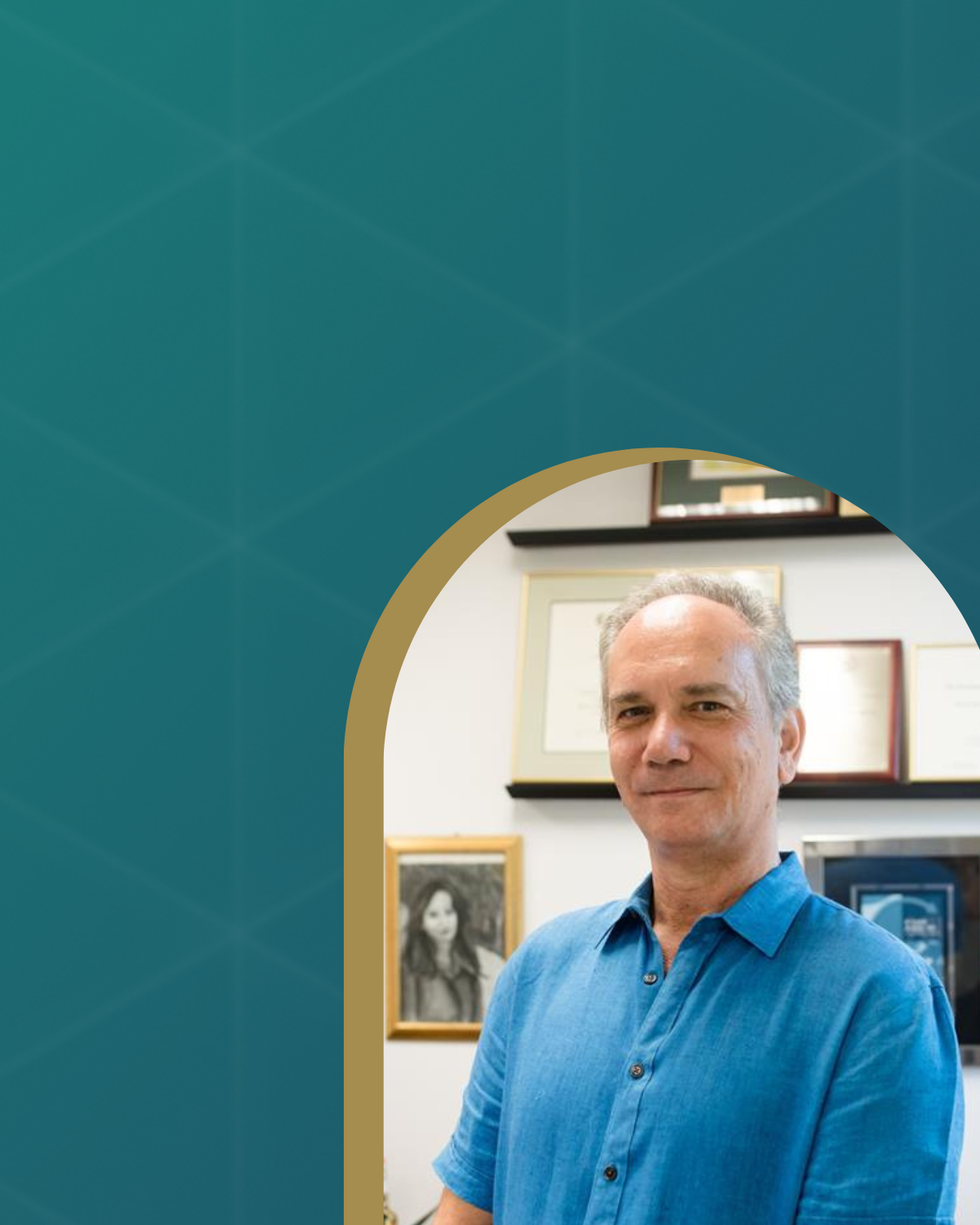
George Georgiou
George Georgiou is the Dula D. Cockrell Centennial Chair and Professor at UT Austin
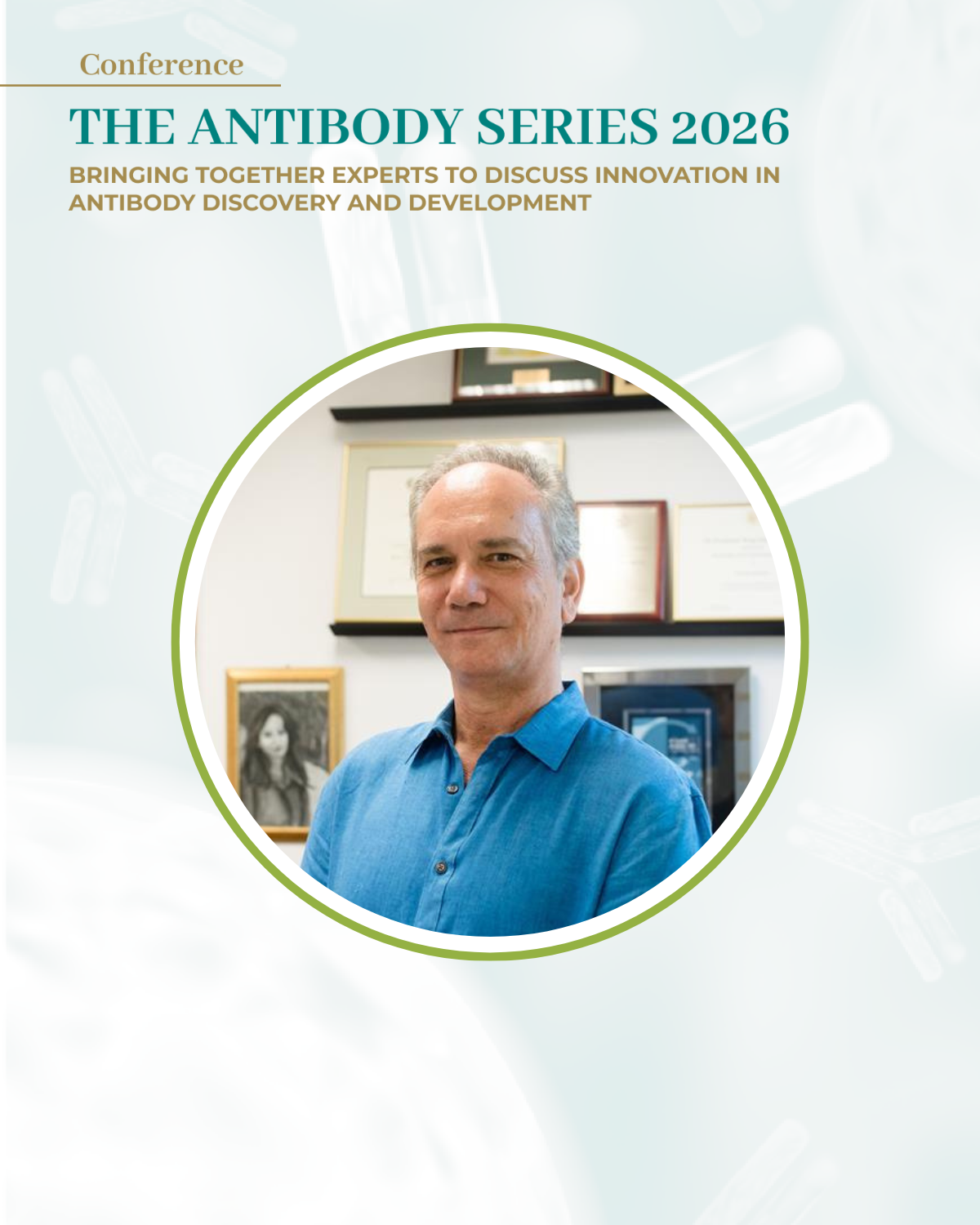
George Georgiou
George Georgiou is the Dula D. Cockrell Centennial Chair and Professor at UT Austin, Depts of Chemical Engineering, Molecular Biosciences and Dept of Oncology of the Dell Medical School, UT Austin. He received his B.Sc. degree from the University of Manchester, UK and his Ph.D. from Cornell U in 1987. Dr. Georgiou’s research is focused on: (i) the molecular level understanding of human adaptive immunity in infectious diseases and in autoimmunity; (ii) the biology of antibody Fc receptors and the engineering of next-generation of therapeutic antibodies and (iii) the discovery/preclinical/clinical development of enzyme therapeutics for rare diseases and cancer. He has authored >310 publications and is co-inventor of >190 issued and pending US patents. He is an elected member of the National Academy of Engineering (2005), National Academy of Medicine (2011), National Academy of Inventors (2015) and the American Academy of Arts and Sciences (2015). His was named as a “top 20 Translational Researchers by Nature Biotechnology (2013)”. He founded and was president of GGMJD (acquired by Maxygen Inc, formerly NSDQ: MAXY in 2000), Aeglea Biotherapeutics in 2013 (now NSDQ: SYRE) and Ikena Oncology in 2016 (now NSDQ: IMA). He is co-inventor and led the early development of marketed therapeutics olbitoxaximab and Loargys, clinical stage pegtarviliase and several mid- to late-stage preclinical drugs.
The sound of (Fc) silence and other unappreciated facets of Fc:FcR interactions
Perhaps as many as 25% of all approved or clinical stage therapeutic antibodies comprise Fc domains that partially (e.g. N297D or IgG4) or completely abolish interactions with Fc binding proteins with C1q and Fcg receptors in order to abrogate effector functions. We discovered that “Fc silent” antibodies are nonetheless capable of binding to certain immune cell subsets via hitherto unappreciated process and will discuss the biological implications of this effect. In the second part of this presentation, I will discuss our work on dissecting the relative contribution of the activating Fcg receptors on driving phagocytosis and cytokine release and how this information can guide the next generation of Fc engineered antibodies.